The pink lipstick guide
Pink lipstick, every kind of it
We measured 24,097 lipsticks. 5,235 of them are pink, about 1 in 5. It's the biggest, fuzziest family in the aisle. Here's how to tell the pinks apart.
A common myth
Pink is not light red
Mix red with white and you'd expect pink. You get coral. At every depth, shades named pink sit cooler than shades named red, closer to blue.
Pink is its own direction on the color wheel, not a paler red.
Lighten a red
Lighten a pink
So what makes a pink pink?
Imagine every lipstick color mapped out with pure gray at the center. For a shade to truly read as pink, it has to pass three tests:
- 1The right direction. Pink sits in a wide slice on the map, spanning from just short of purple to just short of coral.
- 2Enough color. If a shade sits too close to gray, it drifts into mauve or greige. Pale ballet pinks are the exception: the lighter the shade, the less saturation it needs to still feel pink.
- 3Light enough for its warmth. Cool pinks can go deep and moody, stretching all the way to deep raspberry. But as pink warms up, it must stay lighter; otherwise, it turns into rose-brown, nude, or terracotta. Deep, vivid warmth belongs firmly to red's territory.
The pink-nude line
Is it pink… or is it nude?
Soft, warm pinks can fall into a blurry space between pink and nude. There’s no official rulebook for where one ends and the other begins, so we use the names brands give their own shades.
- 1We group lipsticks by color.
- 2We look at how brands name those shades. Are they usually called pink or nude?
- 3Whichever name is used most often is the label we use. If most brands call a color pink, we call it pink. If most call it nude, we call it nude.
Test your color instinct
Guess pink or nude for each swatch, then see the shade, the brand and what brands call look-alikes.
The toss-ups
About 500 shades sit right on the line: brands call their look-alikes pink and nude almost equally. These have no right answer.
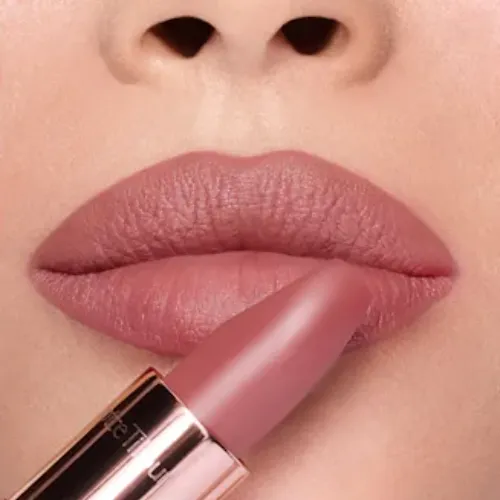
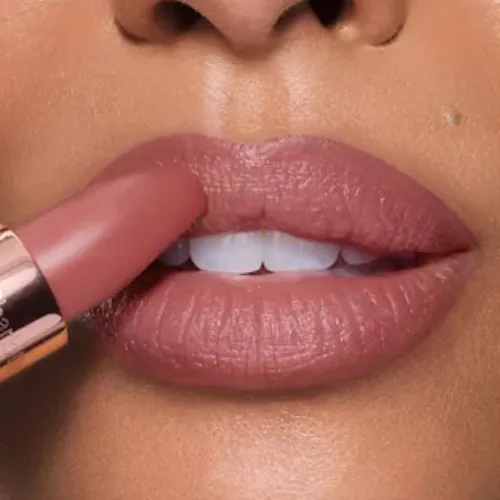
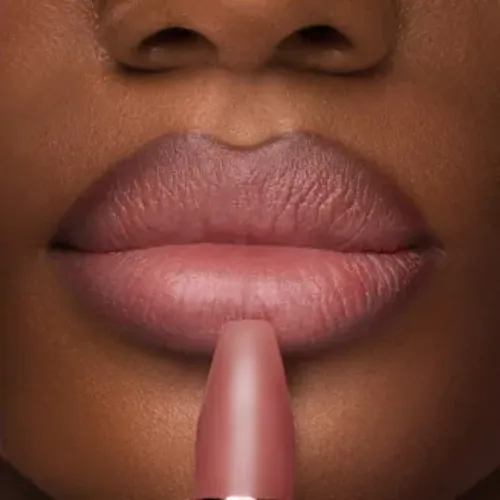
Charlotte Tilbury Pillow Talk is an iconic toss-up, and the numbers agree. It's light enough to be considered pink, but many brands also consider this shade a nude.
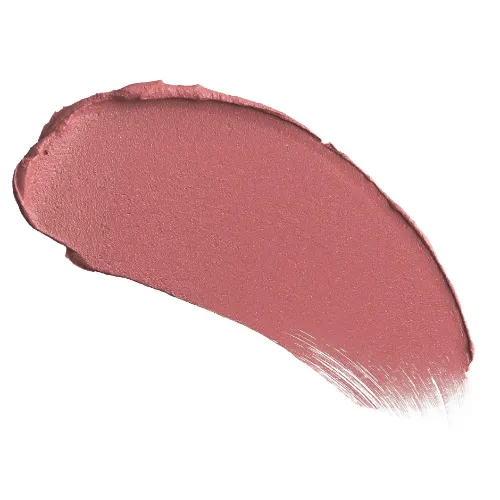
The median pink · #D86D80
The pinkest pink of them all
We narrowed our shades to the ~740 that everyone agrees are truly pink: by name, by color, and by popular vote. The exact center is #D86D80, a classic pink.
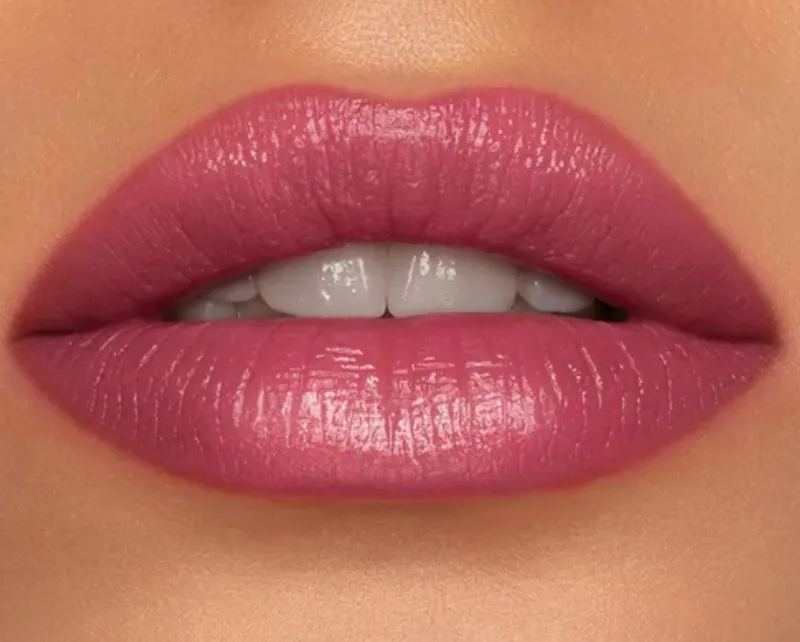
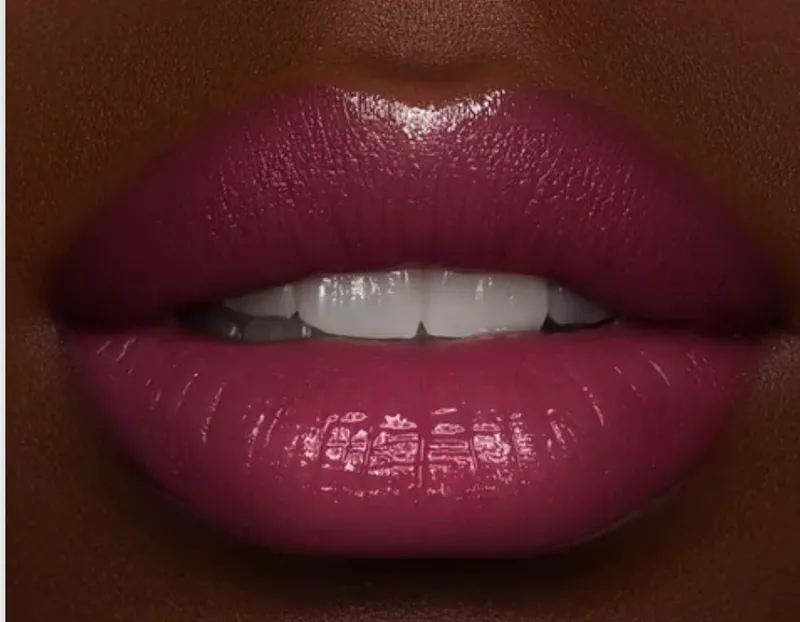
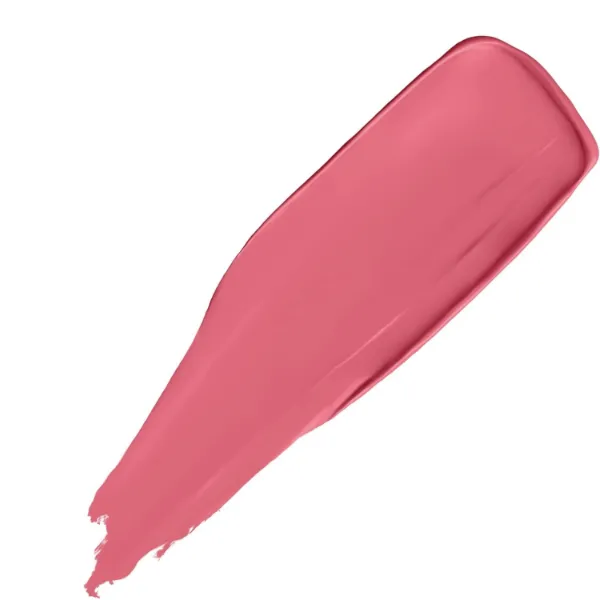
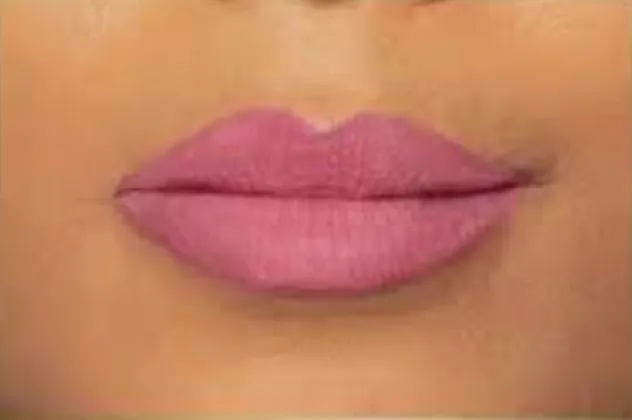
Same Swatch, Different Lips
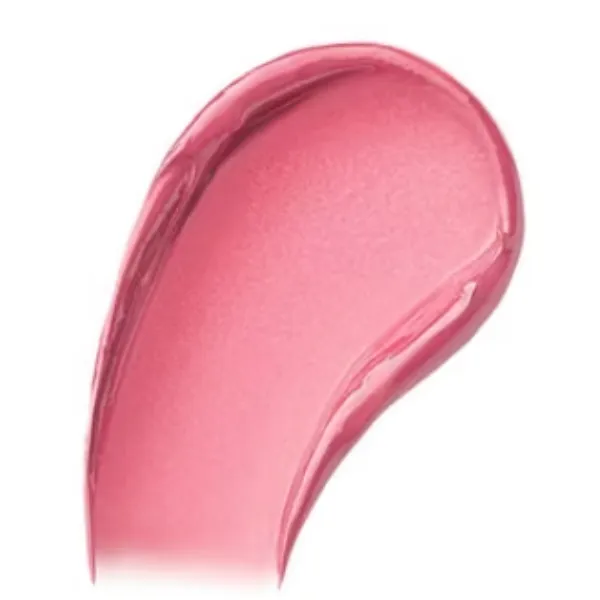
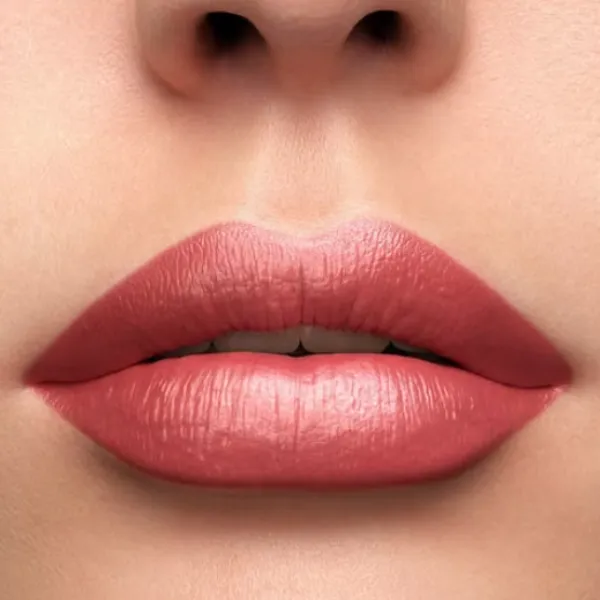
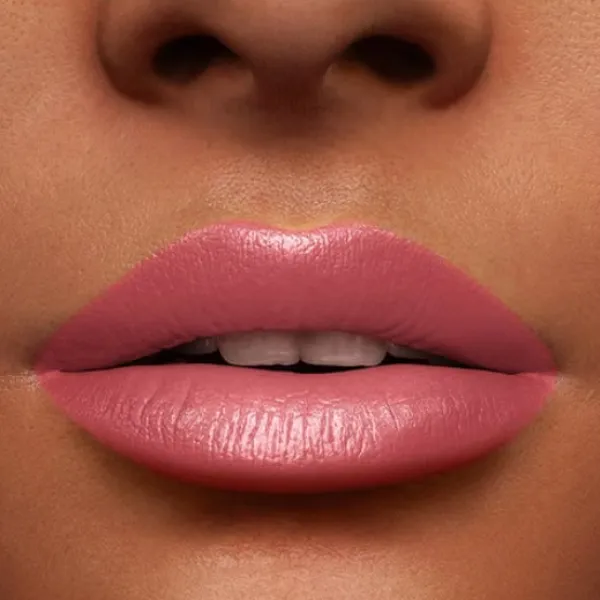
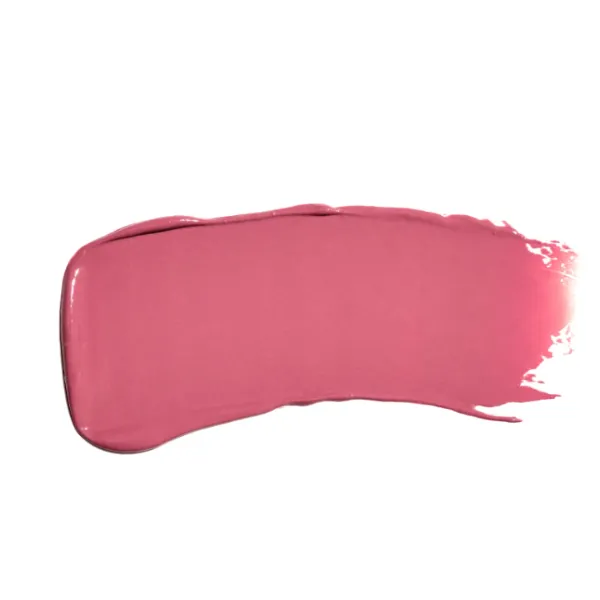
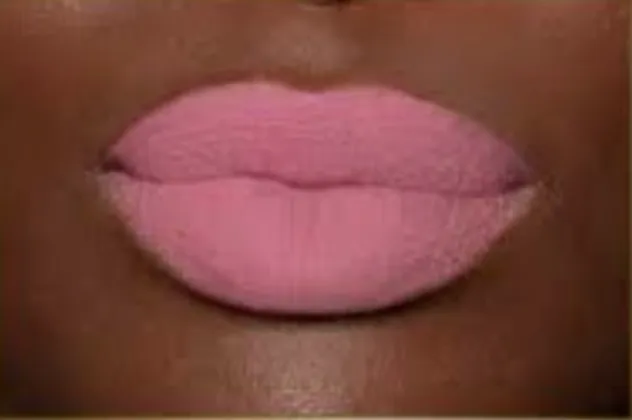
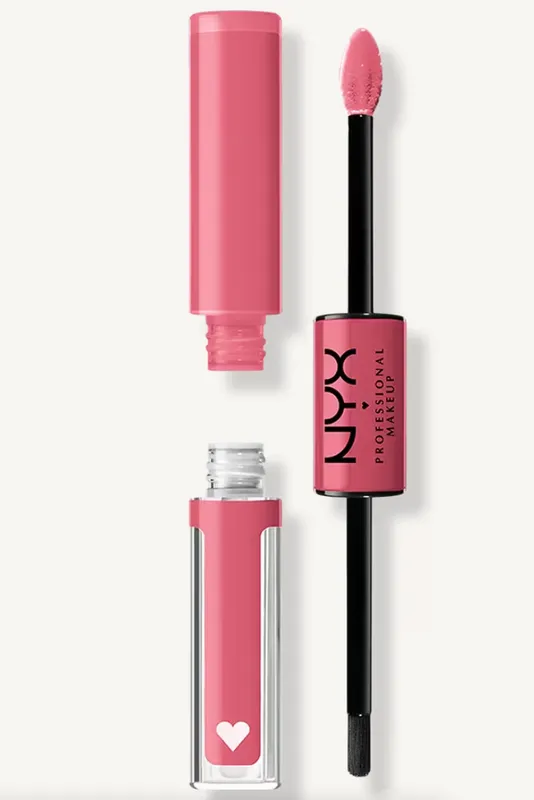
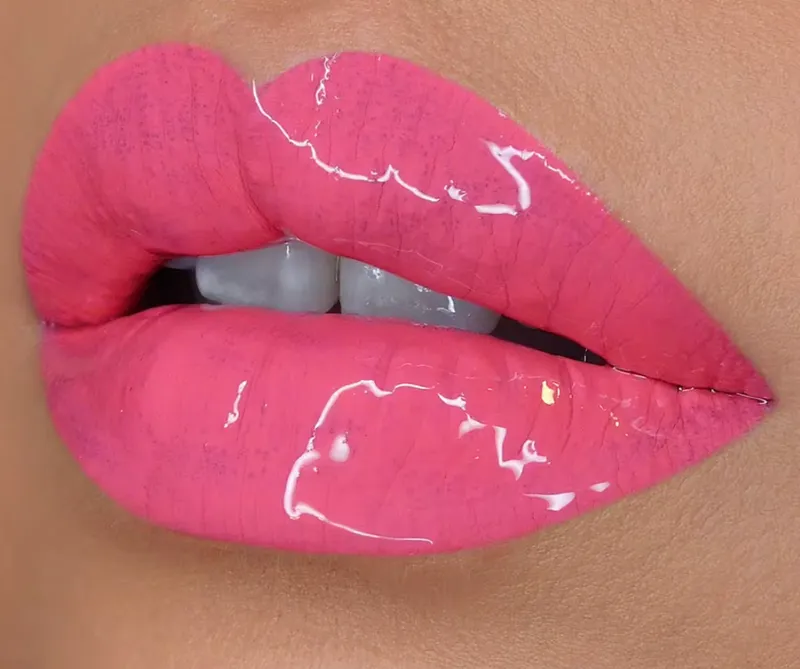
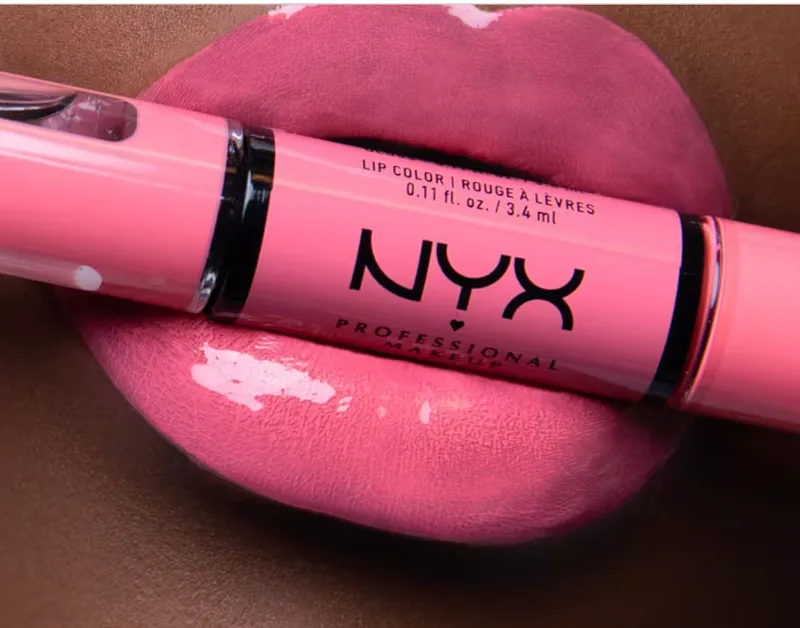
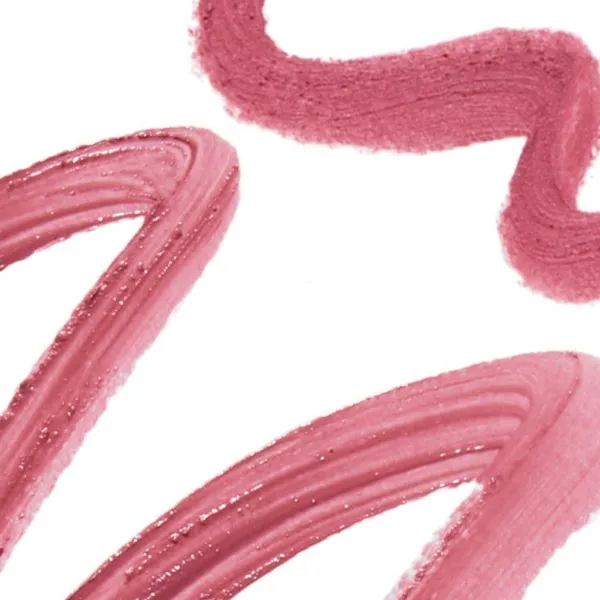
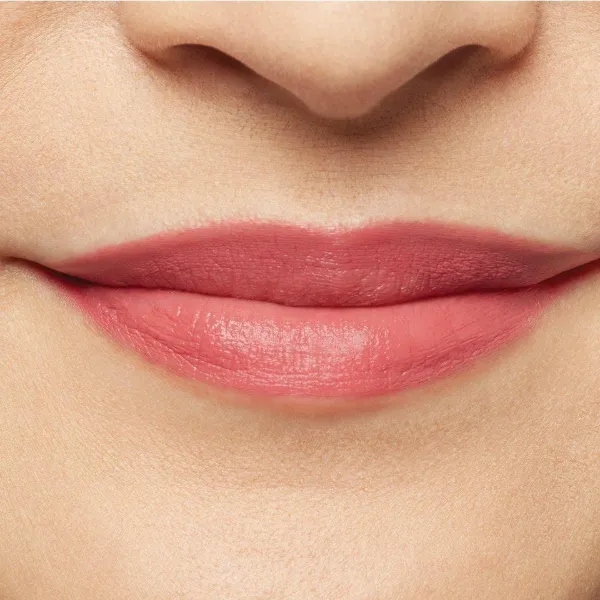
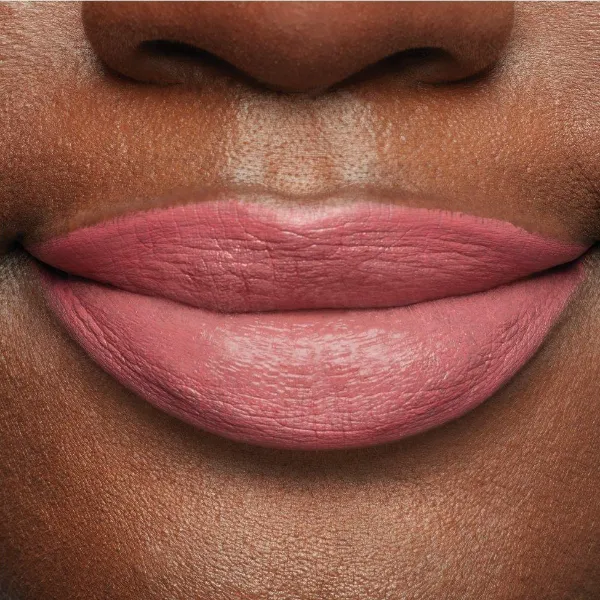
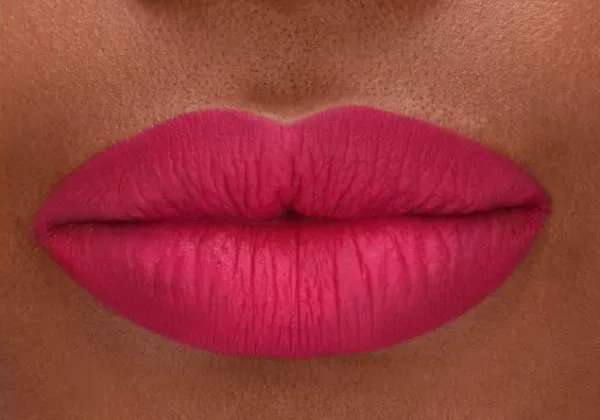
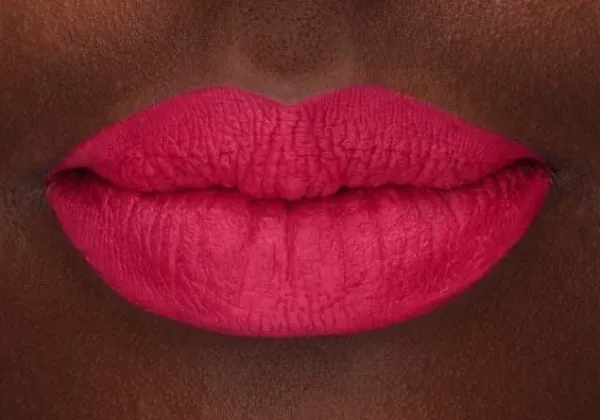
These five lipsticks are some of the closest real-world matches to our median pink. In the tube, their swatches are virtually identical.
On your lips, they won’t be.
The takeaway
Trust the swatch to narrow down the color, but always test on your lips.
Which pink are you?
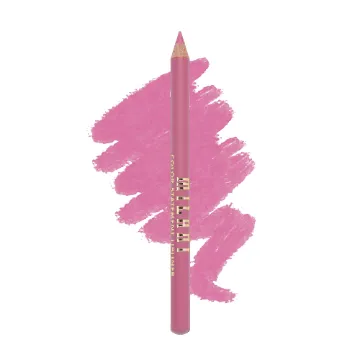
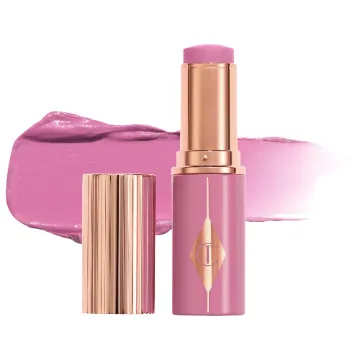
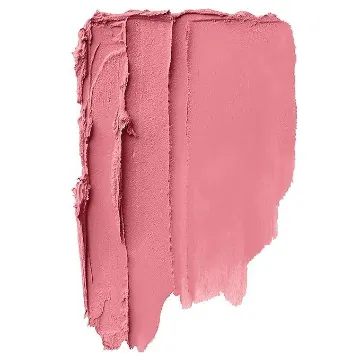
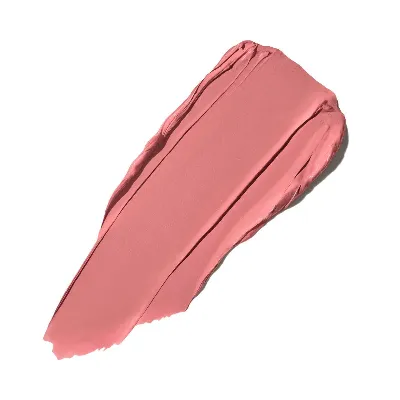
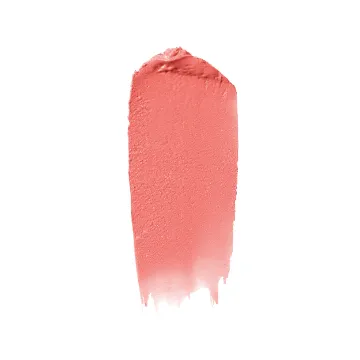
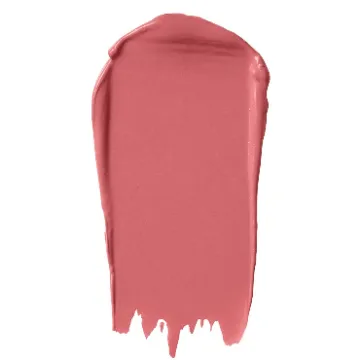
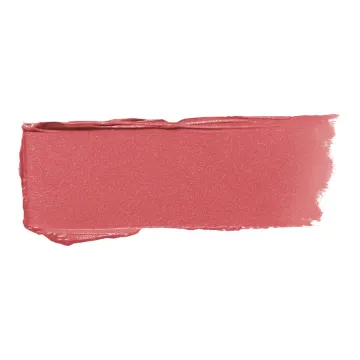
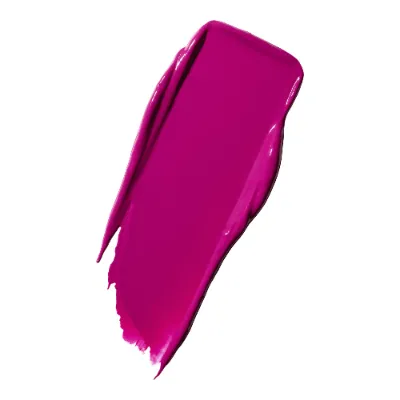
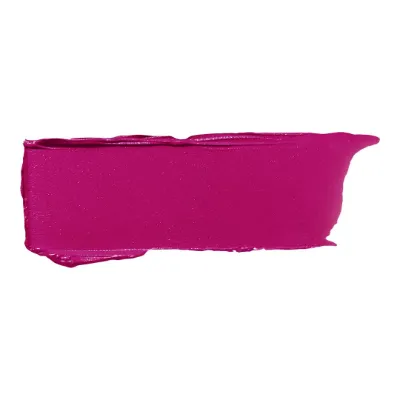
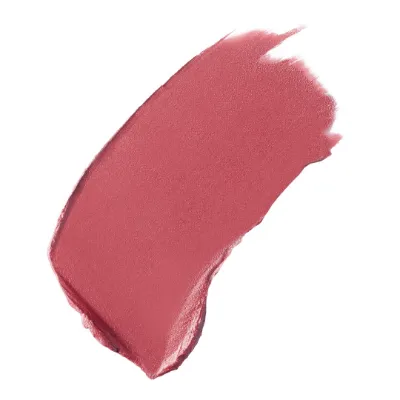
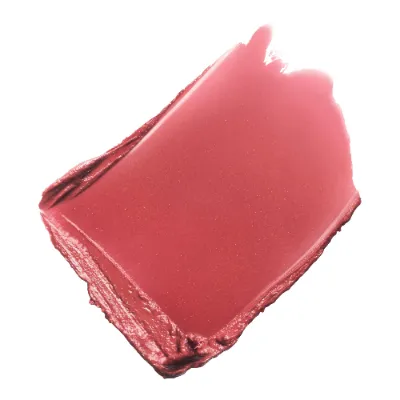
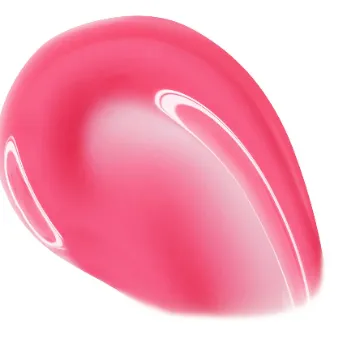
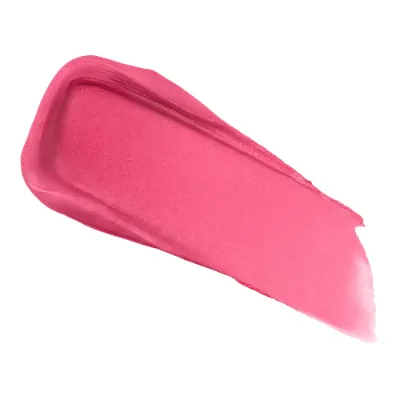
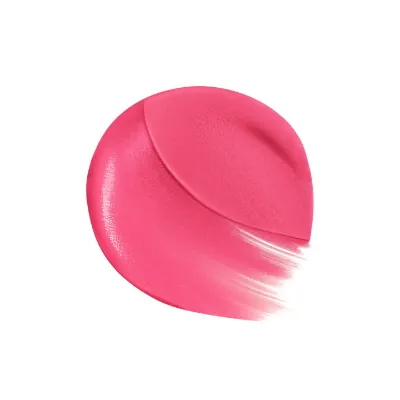
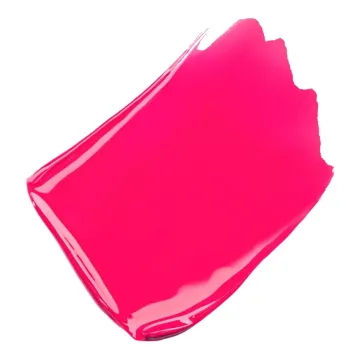
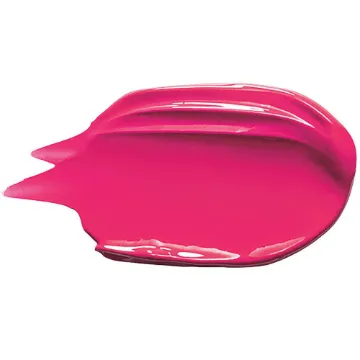
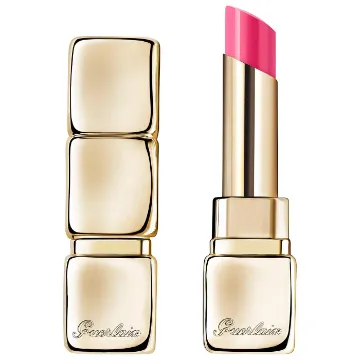
Pink covers more ground than any other lipstick color, from barely-there pink to deep pink, so "pink" alone tells you very little. We split it into 14 kinds: 12 by undertone and depth, plus 2 pinks so saturated they get their own row. The most common kind isn't classic pink. It's the warm medium pink (rose), at 24% of all pinks against 9% for classic pink.
Tap any pink for details.
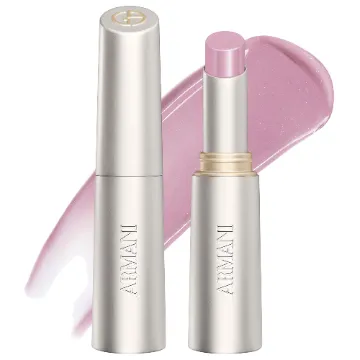
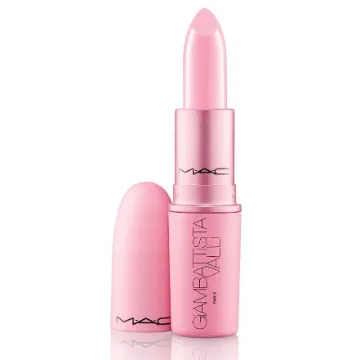
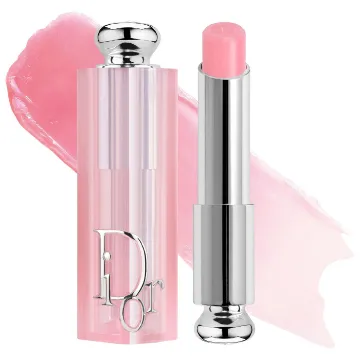
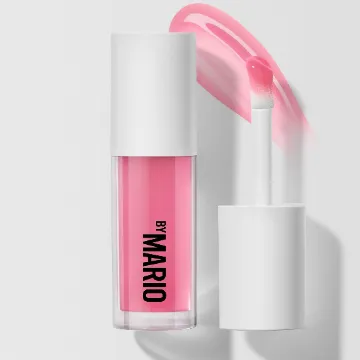
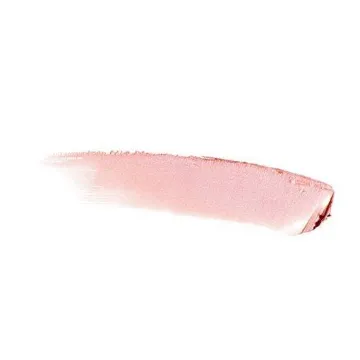
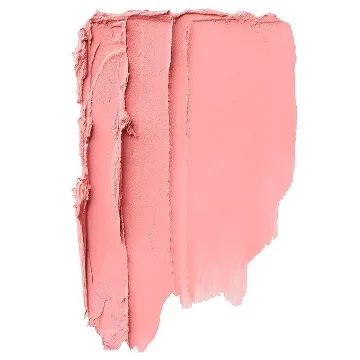
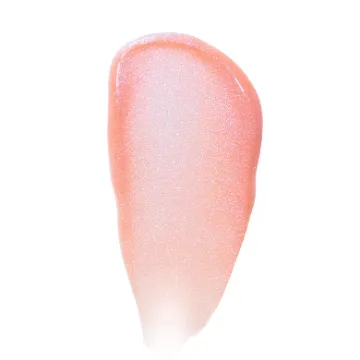
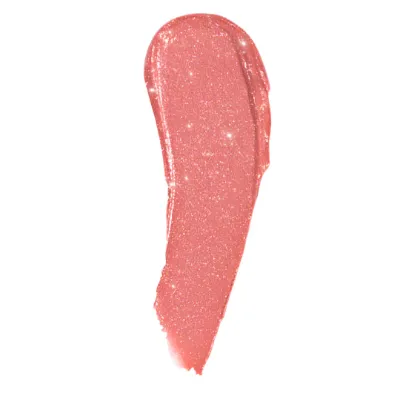
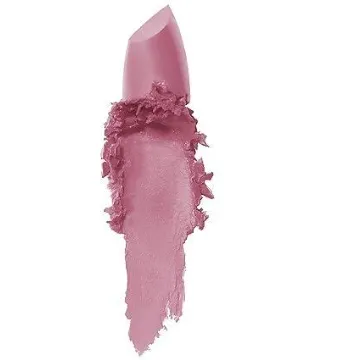
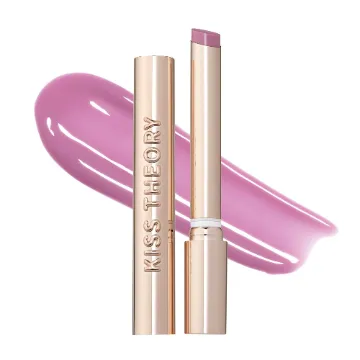
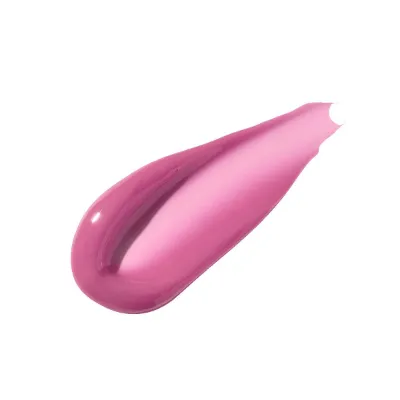
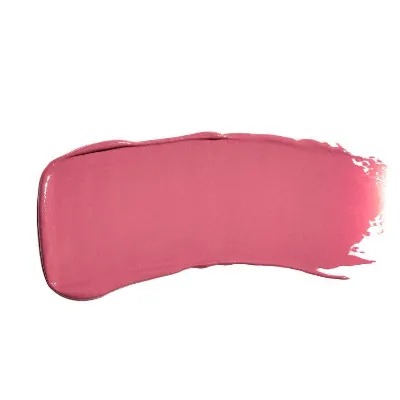
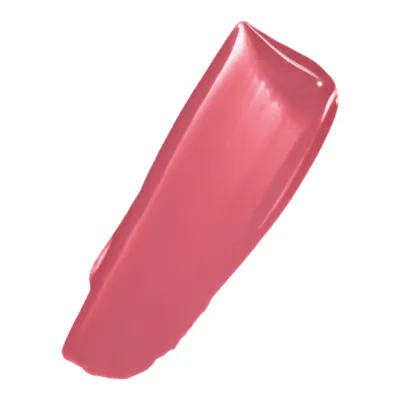
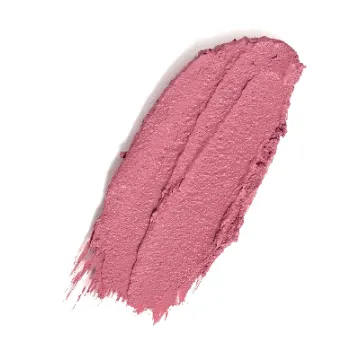
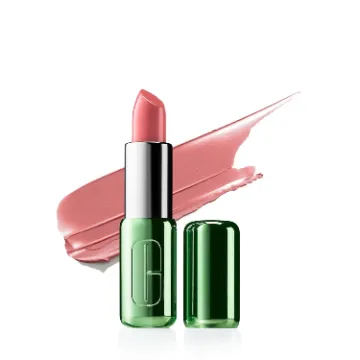
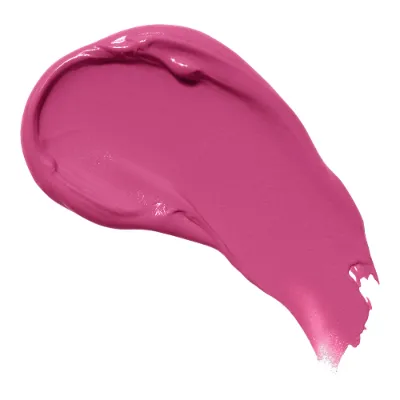
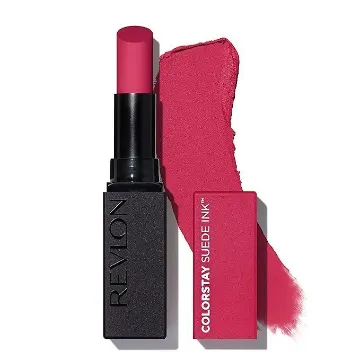
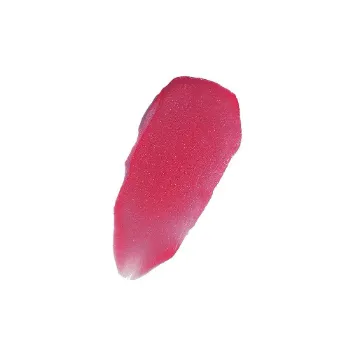

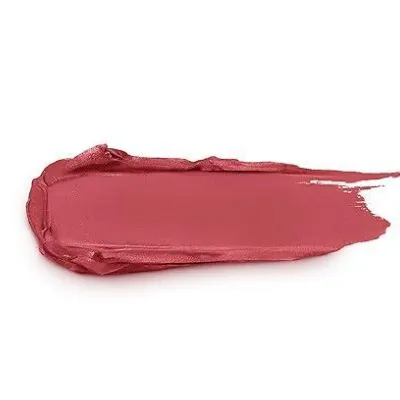
Sheer pinks
The paler the pink, the sheerer it gets
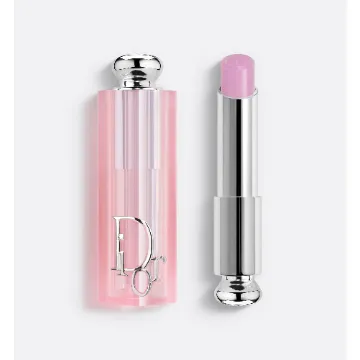
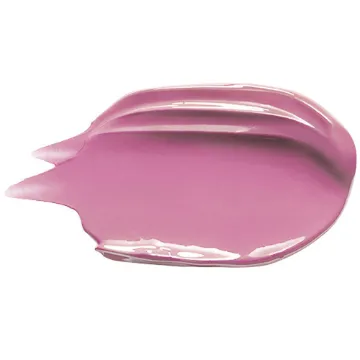
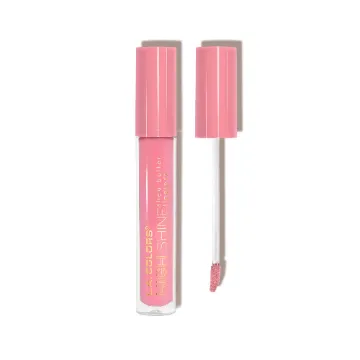
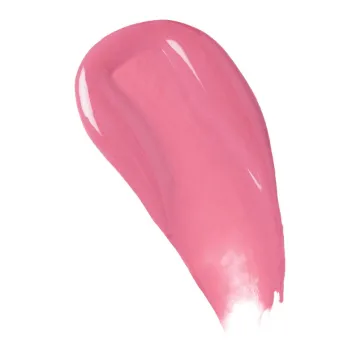
More than two in three pale pinks are sheer: balms, glosses and lip oils. Together they outnumber pale bullet lipsticks four to one. Across all pinks, it's the other way round.
Worth knowing: a sheer product's photo shows it in the tube or as a light swatch, not as worn. Many pale pinks look pale partly because they're sheer, and they'll show more of your own lip color.
Share of pinks that are sheer
- - - whole catalog: 27% sheer
Sheer means a balm, gloss or lip oil, a sheer finish, or "sheer" in the name.
Metallic & frost pinks
The frosted pink is back
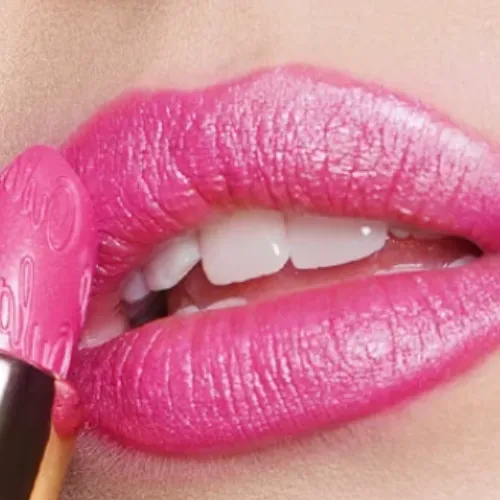
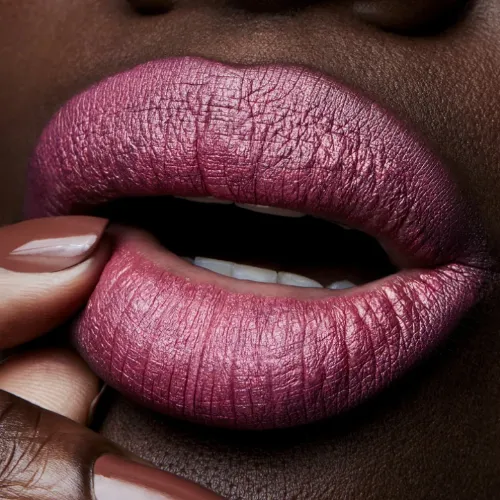
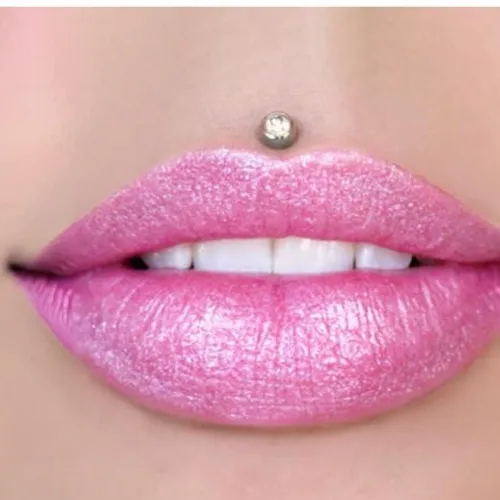
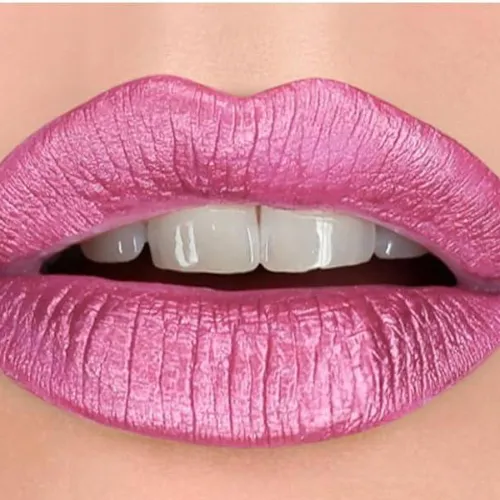
The shimmery pinks of the '90s and 2000s are making a comeback, now as foils and metallics. 230 pinks have a shimmer finish (4.4% of all pinks) and about a third of them say frost, metallic or pearl right in the name.
The name game
Don't trust the name on the tube
482
"Pink" in name only
Of 1,232 lipsticks with "pink" in the name, 482 aren't pink by color. Brands use the word for corals, roses, berries and nudes too.
4,240
Secret pinks
Truly pink, but the name never says so. Most of them would rather be a rose. These are the favorite words.
"Rose" alone names 342 of them.
Pink lipstick dupes
Splurge or save?
No kind of pink costs more. In 89% of product lines, every shade costs the same, and within a brand, every kind of pink costs about the same. What money changes is the range: luxury brands make warmer pinks.
Each price tier's range of pinks
Warm roses are peachy pink, rose and deep rose. Cool pinks are lilac, bubblegum, orchid pink and magenta.
Luxury-only pinks: just 2 of 439
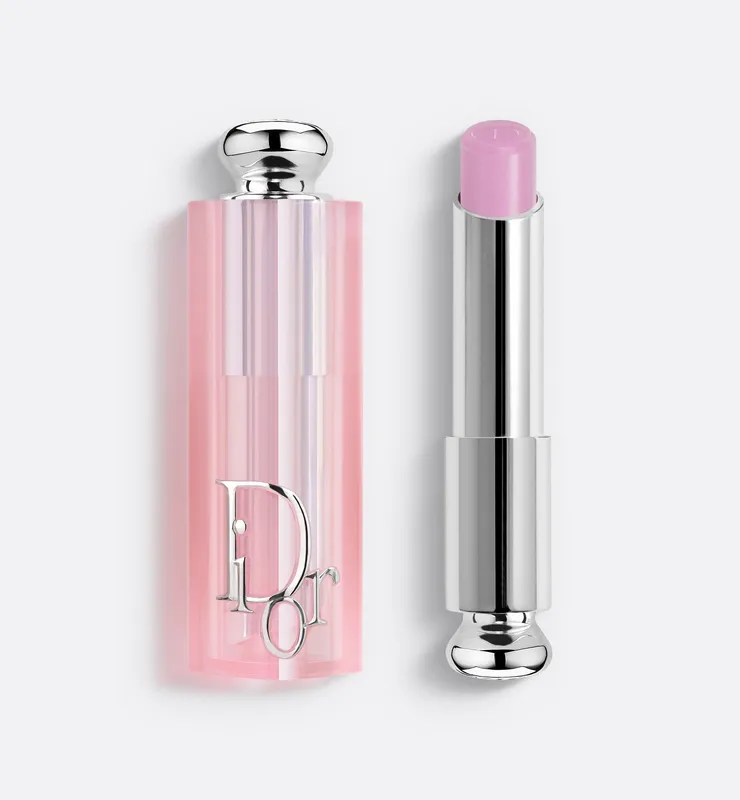
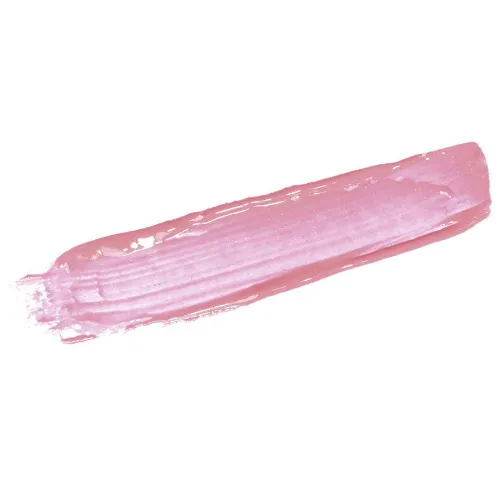
The only pinks the drugstore can't closely match are two pale lilac pinks: Dior 063 Pink Lilac and Sisley 4 Pinky.
The icons and their drugstore twins
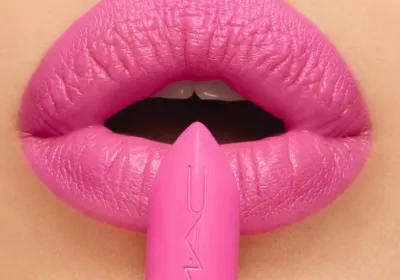
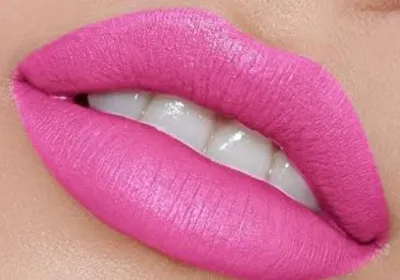
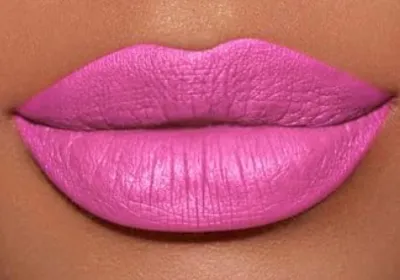
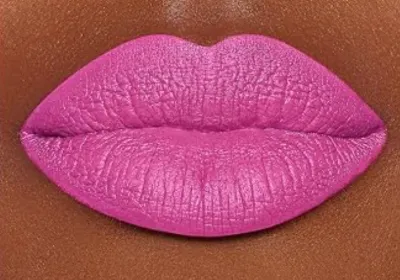
For 94% of all distinct pinks there's a drugstore look-alike on sale. Left half: the icon. Right half: its closest cheaper twin from another brand.
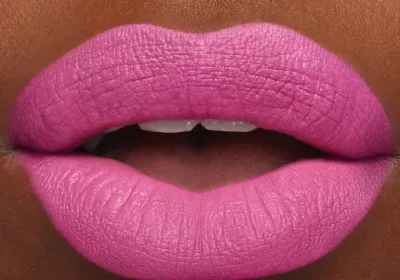
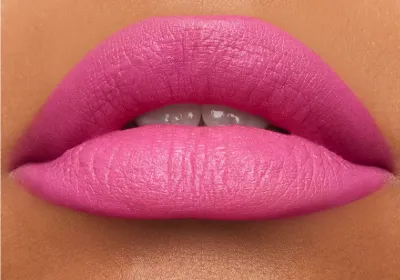
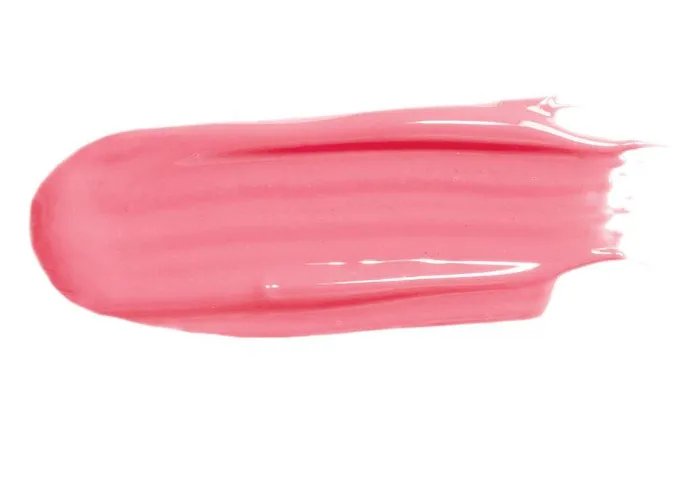
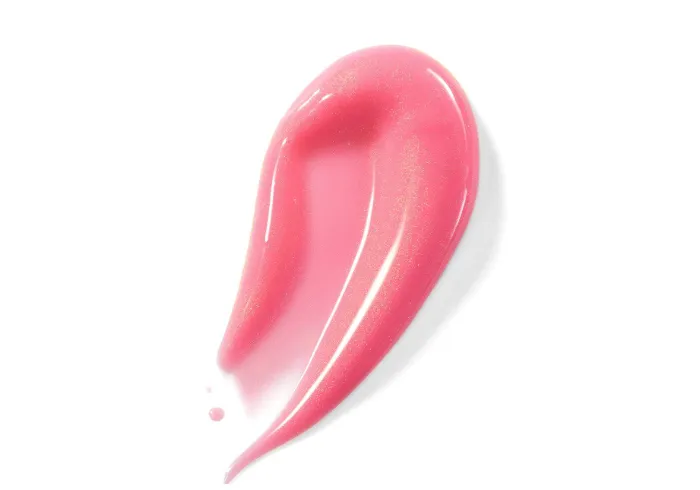
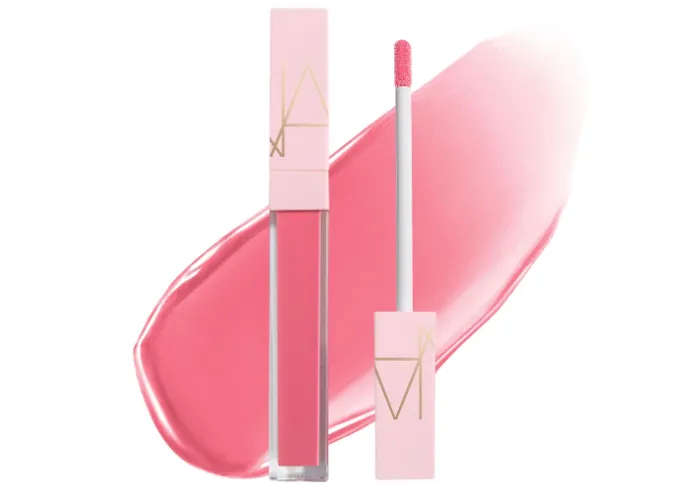
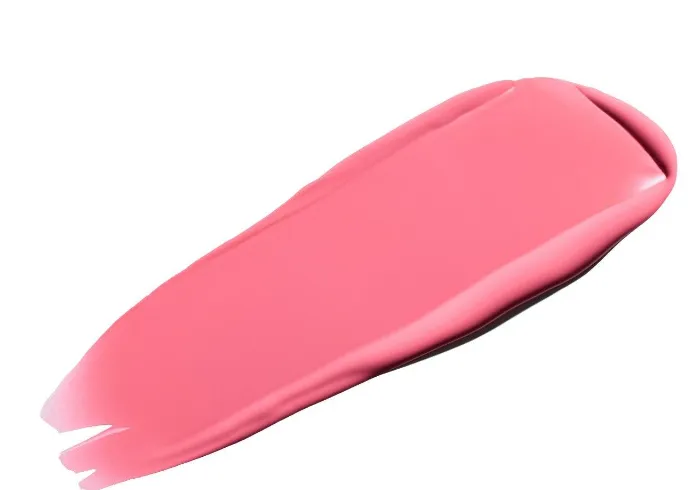
Love a pink, not the price? Find a dupe.
Pick any pink lipstick and we'll find the closest look-alikes for less, across 24,000+ products.
How we measure color: colors were measured from product photos, so lighting can nudge a single shade a little. Read the red guide · Privacy · Pinterest · Instagram · Leave Feedback